



Challenges in autonomous region's medical services under consideration









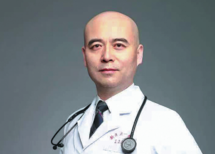
The Xinjiang Uygur autonomous region in Northwest China has vast territory and uneven economic development levels among various regions and counties. This has led to limited medical facilities and a lack of grassroots medical service personnel. Ma Xiang, chairman of the Internal Medicine Professional Committee of the Xinjiang Medical Association, shared his experience in providing medical services in the region, proposing solutions in academic exchanges and talent cultivation.
Q: What are among the most impressive experiences while working in Xinjiang?
A: With its vast land and sparse population, various ethnic groups exhibit genetic diversity and diverse dietary habits in Xinjiang. The Uyghurs and Kazakhs prefer cheese and meat but consume fewer fresh vegetables. Due to factors such as seasons, diet and environment, various cardiovascular diseases have been consistently prevalent.
Xinjiang has a vast territory with significant distances between various counties and cities, leading to a lack of medical resources, dispersed distribution of patients and inadequate efforts in early disease prevention and health education. The number of doctors is limited and they cannot reach every household, posing challenges and difficulties in work. Due to the distance and travel challenges, many patients lost their lives before receiving proper treatment.
As a medical professional, through studying literature interpretation, observing and exchanging experiences during expert surgeries, I have acquired relevant treatment techniques and have been promoting and popularizing these techniques throughout Xinjiang.
Moreover, conducting research on the high incidence of cardiovascular diseases among different ethnic groups in Xinjiang during medical work holds special significance. My team members and I have conducted epidemiological research on cardiovascular diseases among multiple ethnic groups in Xinjiang, established a standardized management system among different ethnic groups and revealed the trends, clinical characteristics and risk factors of cardiovascular diseases in Xinjiang. This has made a significant scientific contribution to coronary heart disease research in China and internationally.
Q: What is your greatest achievement in the medical practice?
A: Personally, I believe that my greatest achievement across years of medical practice in Xinjiang is spearheading the establishment of the Xinjiang Chest Pain Center Alliance. The key members of the team conducted in-depth research on cardiovascular diseases among different ethnic groups and achieved a series of original results.
In recent years, the alliance has organized more than 40 training sessions under the Chest Pain Center's key programs, reaching more than 200 hospitals and training more than 8,000 individuals. Through consistent efforts, we assisted more than 70 hospitals in obtaining certification from the Chest Pain Center, achieving comprehensive coverage of regional chest pain centers.
As of now, the Xinjiang Chest Pain Center Alliance has conducted more than 130 on-site training sessions. Focusing on talent development and skill training to enhance disease prevention, diagnosis and treatment techniques, as well as service capabilities across the entire region, the alliance's presence spans the whole region of Xinjiang.
Q: As a mentor, how do you guide your students?
A: The essence of medical education lies not in providing answers but in inspiring questions. When guiding students, I emphasize the development of their clinical skills, research capabilities and spirit of teamwork. Clinical skills are fundamental for doctors and I enhance students' diagnostic and treatment abilities through practical cases. Teamwork is also a vital part of medical work and I facilitate student learning in communication and collaboration through team projects.
It is essential to nurture students' independent thinking and practical skills. Cultivating an outstanding doctor is more meaningful than curing a single patient because they will benefit more lives. I particularly emphasize the integration of research capabilities, critical thinking and clinical practice. Additionally, I have mentored students from overseas who have become key figures in the local cardiovascular field upon returning to their countries, a fact that fills me with great pride.


- Senior enterprise official facing probe
- China's anti-graft authorities reveal extent of year's work
- Former Haikou Party chief gets death sentence with reprieve
- Purchase of US-made weapons to push Taiwan closer to the peril of war: spokesman
- WIC calls for submission of cultural heritage digitalization cases
- China calls for global opposition to Japanese neo-militarism










