US bullying erodes values that made US world leader









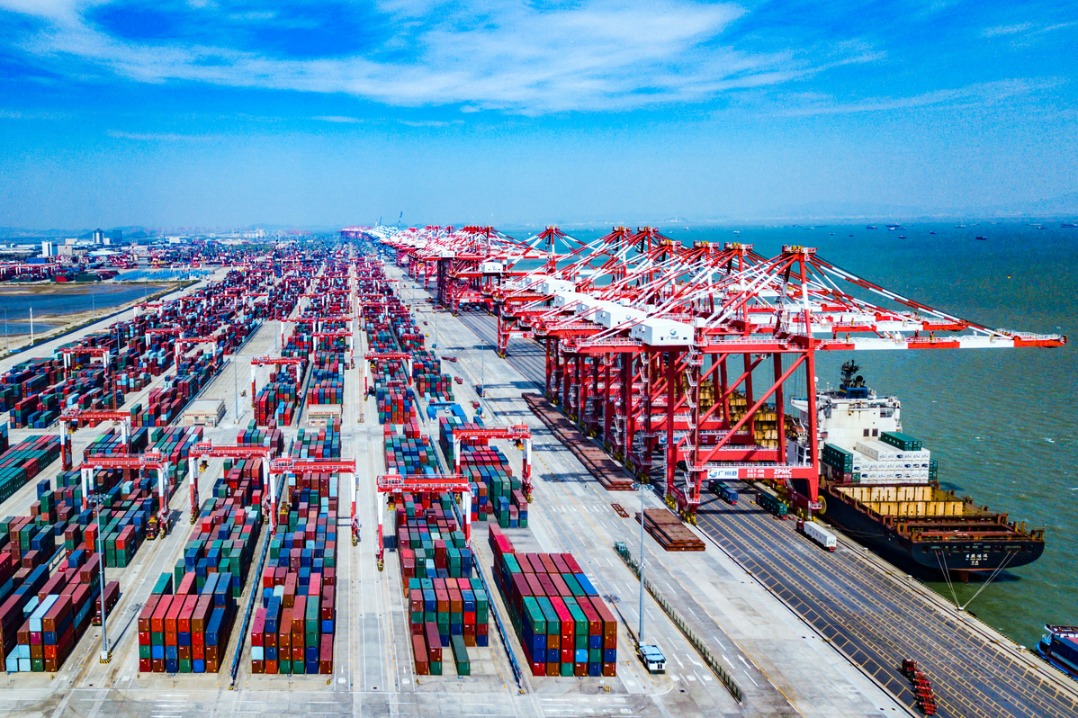
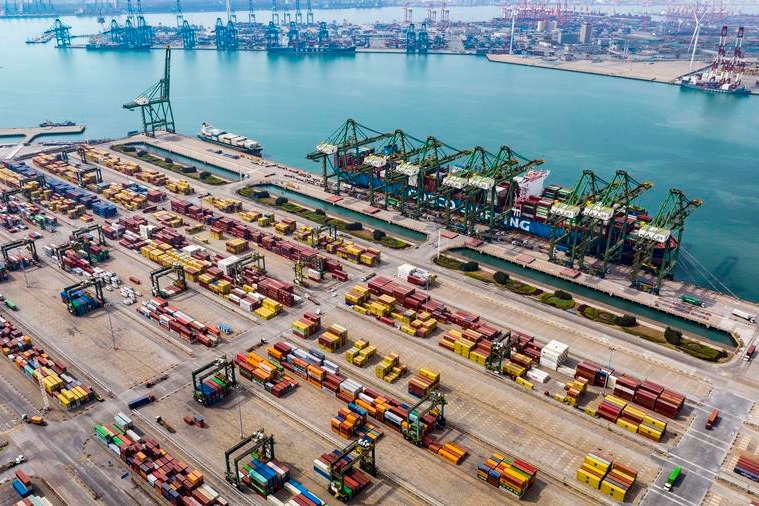
In launching an unnecessary and poorly conceived trade war — particularly against China — US President Donald Trump has committed at least three serious strategic errors. Each of these errors carries significant consequences not only for the United States but also for the balance of global economic power.
First, the US administration has underestimated the harmful impact the trade war will have on the US economy. Second, it has misjudged the strength and adaptability of the Chinese economy. Third, and perhaps most dangerously, it has failed to see the long-term risk of the US being increasingly sidelined in new forms of globalization, many of which are already taking shape thanks to the efforts of China and some other countries.
To begin with, the idea that the US economy can emerge stronger from a tariff-fueled trade war reflects a misunderstanding of the global economic system. The imposition of tariffs on a wide range of imports leads to increased costs for US businesses and consumers alike. As input materials become more expensive, manufacturers face shrinking margins, and retailers are compelled to raise prices.
The ripple effect of these economic disruptions affects jobs, investment, and consumer confidence. Far from strengthening the US economy, this approach undermines its competitiveness and stability. Economists and business leaders across the spectrum warned of these consequences, but the US administration chose to ignore them, guided more by populist rhetoric than by sound economic reasoning.
Also, the US administration has significantly underestimated the resilience and long-term strategy of the Chinese economy. Although China will initially feel the strain of the US tariffs, it will likely respond with a mix of countermeasures, stimulus policies and expeditious reform. Rather than collapsing under pressure, China will adapt to the change. It will strengthen its domestic market, boost innovation, and pursue new trade partnerships across Asia, Europe and Africa.
The Belt and Road Initiative, among others, will gain further momentum, and China will strengthen ties with other major economies, particularly those alienated by the US' retreat from multilateralism. In the end, China will turn the trade war into an opportunity to speed up its economic transformation and reduce its dependence on US markets and technologies.
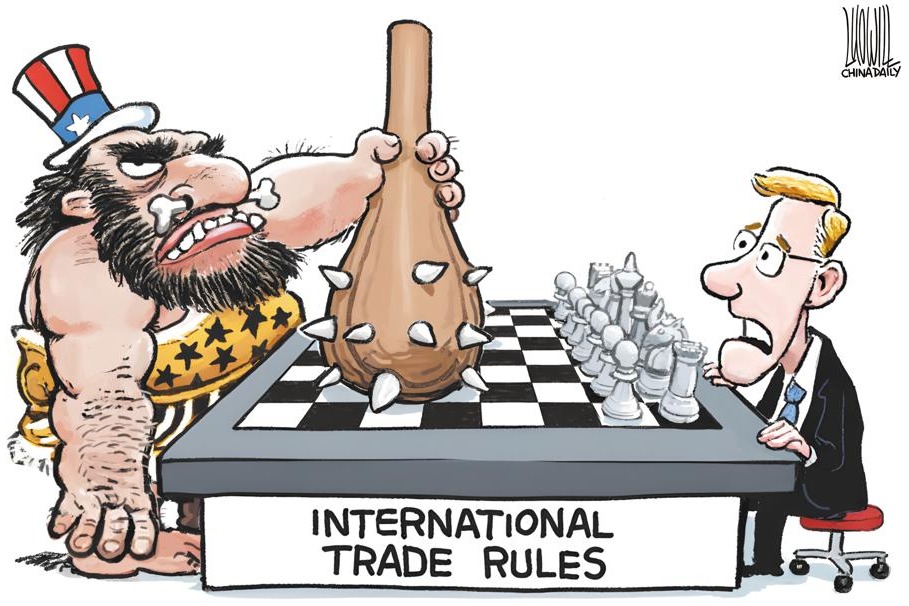
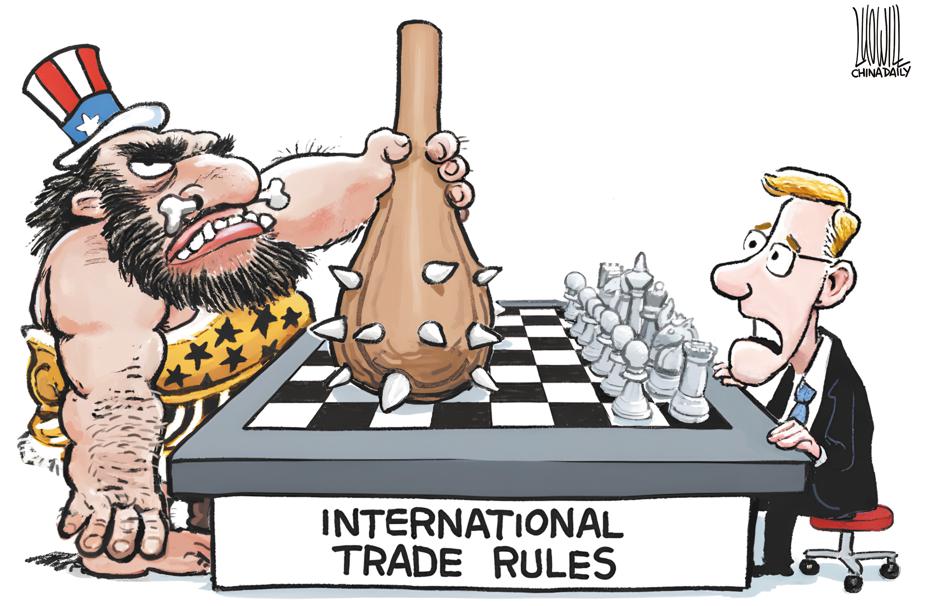
Perhaps the most significant misjudgment the US administration has made is the strategic risk of marginalization. By alienating US allies, abandoning multilateral institutions and undermining the norms of global cooperation, the US is increasingly isolating itself. In contrast, China embraces global economic engagement and positions itself as a champion of free trade and international collaboration.
This shift allows China to shape the evolving global economic order to its advantage. Regional trade agreements like the Regional Comprehensive Economic Partnership, which excludes the US, are concrete examples of how globalization is continuing without the US' leadership. Over time, this could result in the US losing its influence in setting global standards and rules, thereby weakening its strategic position.
What we are witnessing is not just an economic miscalculation but a dangerous case of political hubris. An apoplectic, tunnel-visioned leader, surrounded by sycophants unwilling to challenge his worldview, has made decisions that will harm his own country's interests. The Trump administration has mistaken bravado for strategy and nationalism for economic wisdom. In doing so, it has pushed the US down a path of self-inflicted isolation.
On the other hand, China has every incentive to continue opening up to the world and refining its global strategy. The trade war, intended as a tool to reassert American dominance, may ultimately expand China's influence in world affairs.
The US' trade war reveals a troubling blend of short-sightedness and arrogance. It ignores the complexities of a deeply interconnected world and overestimates the US' unilateral power. Worse, it undermines the very values and institutions that once made it a global leader.
The author, a sinologist and specialist in global affairs, is the founder of the China-Europe-America Global Initiative.
The views don't necessarily reflect those of China Daily.
If you have a specific expertise, or would like to share your thought about our stories, then send us your writings at opinion@chinadaily.com.cn, and comment@chinadaily.com.cn.