US transshipments levy a double whammy









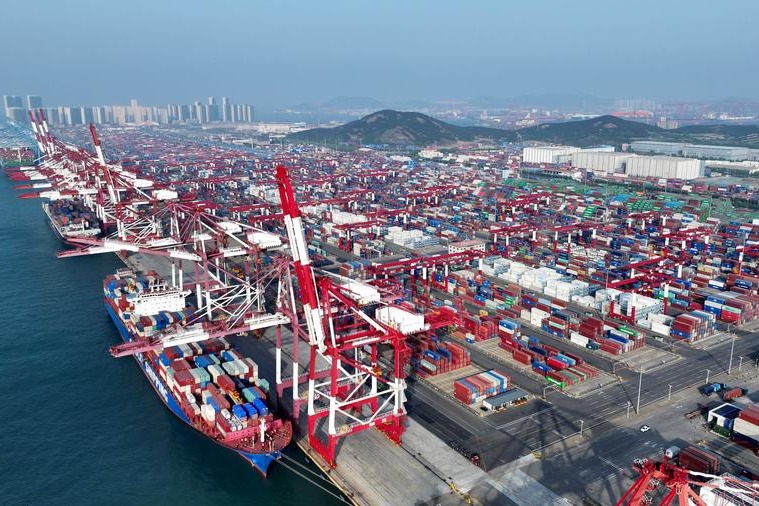
The US administration has listed a new type of penalty on so-called "transshipments", which it describes as imports into the United States that have passed through different countries and been deliberately sent from somewhere with a low tariff rate rather than one with a higher tariff rate in order to avoid paying a higher levy on the goods.
The penalty for these kinds of imports is an extra 40 percent if a country is found by Customs and Border Protection to be dodging paying a higher rate.
The US Department of Justice is reportedly creating a fraud office just to deal with tariff evasion and intends to use criminal penalties against rule-breakers.
Under the law, it is already illegal to not directly state where the place of origin of foreign goods is. For this reason, the new rule on transshipments is complicated and needs to be explained more, warns the American Apparel & Footwear Association, or AAFA, whose members import goods from all over the world into the US each year.
"Importers are scratching their heads at the (Donald) Trump Administration's new 40 percent tariff rates, which appear to legalize, but heavily tax, currently prohibited transshipment activities," AAFA President and CEO, Steve Lamar, told China Daily.
In trade, transshipments are not a new concept as it had meant that goods and materials were moved between vehicles such as airplanes, trains and lorries. But now, any exporter seen by the Trump administration as trying to evade tariffs by doing this could face problems.
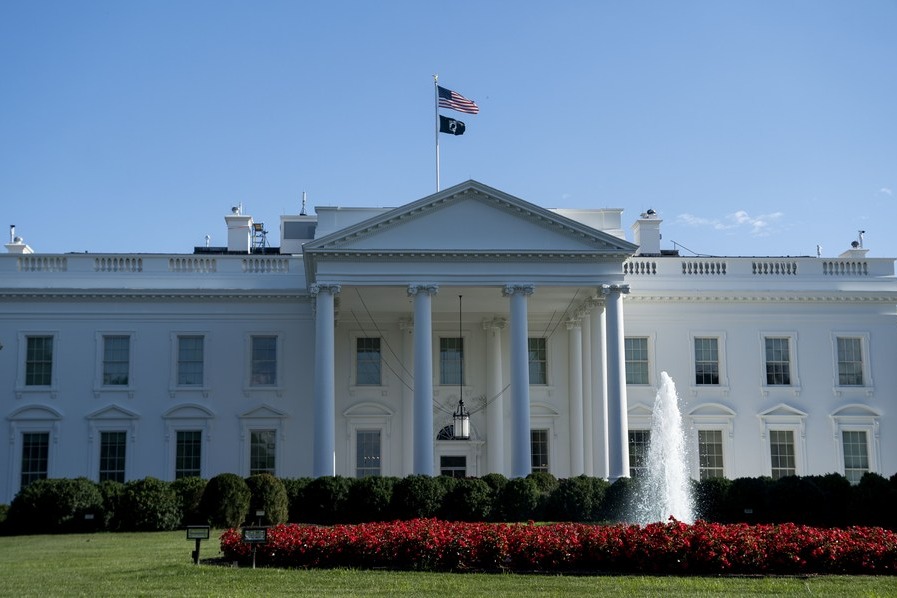
"The administration has zero tolerance for transshipment and other methods of undermining our tariffs, and we are working closely with our trading partners to proactively address these concerns," Kush Desai, a spokesman for the White House, told The New York Times.
However, the rules, effective from Aug 7, will prove tough for clothes importers, for example, as most garments are made in multiple places.
Several clothing brands, such as Lululemon Athletica, Nike and Uniqlo, make clothes in Asian countries. But if a manufacturer adds a zip, button and dyes from another country, it will be less easy to determine a product's true origin.
New fees planned
The White House added that along with its latest policy on so-called transshipped goods, it is also researching whether it could apply new fees on any component that comes from one country and is put into another product made in a separate country before being shipped to the US.
Some US importers may not know where every single component or raw material that is used in a product was manufactured, say critics.
"These new rules fly in the face of commonsense enforcement and undermine the considerable investments our members make to ensure full compliance with customs rules," Lamar said.
Since August, international countries face tariff rates ranging from 10 to 50 percent.
Beforehand, trade agreements detailed clearly the rules of origin. Under the terms of the US-Mexico-Canada agreement, for example, there were details on how much of a product should come from North America to cross the border without being charged a tariff.
The so-called rules of origin on goods have supported bilateral and regional free trade agreements for years. It relied on the "last substantial transformation", or wherever the character of the product was last changed, to determine how the goods should be charged.
In May, the Trump administration announced the end of the de minimis exemption for China. The rule, a tax-free scheme, had allowed low-cost parcels under $800 to enter the US duty-free. The rule will end for all other countries on Aug 29.
In fiscal year 2024, at least 1.36 billion shipments utilized de minimis, an increase of 637 million in 2020, according to US Customs and Border Protection. A large chunk came from fast fashion brands Shein and Temu.
Z. John Zhang, a professor of marketing at the Wharton School of the University of Pennsylvania, previously believed that one of the best ways that Shein and Temu could retain US customers after the end of the exemption would be to change their business model and manufacture in markets outside of China such as Vietnam. But now, this could break transshipment rules.
Zhang told China Daily: "Things are more complex because of the tariffs. It doesn't look to me like the old business model can still work in this kind of environment."
belindarobinson@chinadailyusa.com