China charts course for demand, digital transformation in open economy









The annual Central Economic Work Conference concluded in Beijing last Thursday after laying out China's definitive economic roadmap for 2026.
This year's conference held exceptional significance, as it not only set the agenda for the next 12 months, but also ushered in the 15th Five-Year Plan (2026-30), a critical period that China's leadership views as decisive for the nation's structural transformation and rejuvenation.
At the heart of the 2026 agenda is a notable refinement of macroeconomic leverage. The conference explicitly sanctioned a "more proactive" fiscal policy paired with a "moderately loose" monetary policy — a combination that signals Beijing's intent to support growth through calculated liquidity and targeted spending rather than indiscriminate stimulus.
The fiscal strategy for 2026 represents a departure from the infrastructure-heavy playbooks of the past. While the issuance of specialized treasury bonds will continue to support major national projects, the focus has shifted decisively towards "effectiveness enhancement".
The leadership has mandated that fiscal resources be directed towards sectors that yield high social returns and directly improve living standards. This involves substantial investment in human capital, including advanced education, public healthcare and comprehensive social security systems.
The logic underpinning this shift is twofold: to alleviate the financial anxieties of households, thereby unlocking precautionary savings, and to cultivate a higher-quality workforce capable of driving an innovation-led economy.
On the monetary front, the People's Bank of China has been directed to ensure ample liquidity to grease the wheels of the real economy. The term "moderately loose" suggests a readiness to utilize instruments such as reductions in the reserve requirement ratio (RRR) and interest rate optimizations with greater flexibility.
The conference also underscored the need to strengthen "counter-cyclical and cross-cyclical adjustments". This technical phrasing points to a sophisticated balancing act: policy actions will be calibrated not only to iron out short-term economic fluctuations but also to align with the long-term structural goals of the 15th Five-Year Plan. The objective is to foster a favorable financing environment for private enterprises and households without inflating asset bubbles.
A central tenet of the 2026 economic blueprint is to elevate the expansion of domestic demand to a primary strategic priority. Rather than relying solely on subsidies for goods, the leadership is focusing on the vast potential of the service sector.
Policy support is slated to be intensified for high-growth areas such as the "silver economy" — catering to the needs of an ageing population — as well as childcare services, cultural tourism and preventative health industries. By addressing the specific needs of different demographic groups, Beijing aims to foster a consumption ecosystem that is both resilient and dynamic.
Concurrently, large-scale trade-in programs for consumer goods and smart appliances will be expanded. These initiatives serve a dual purpose: they generate immediate market activity and simultaneously compel manufacturers to upgrade their standards of quality and efficiency.
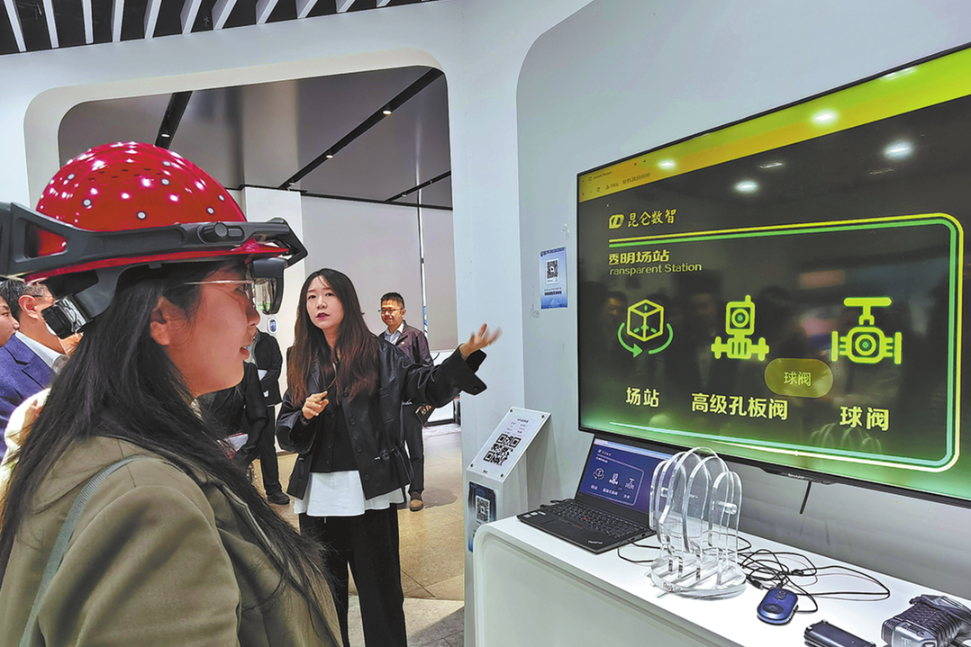
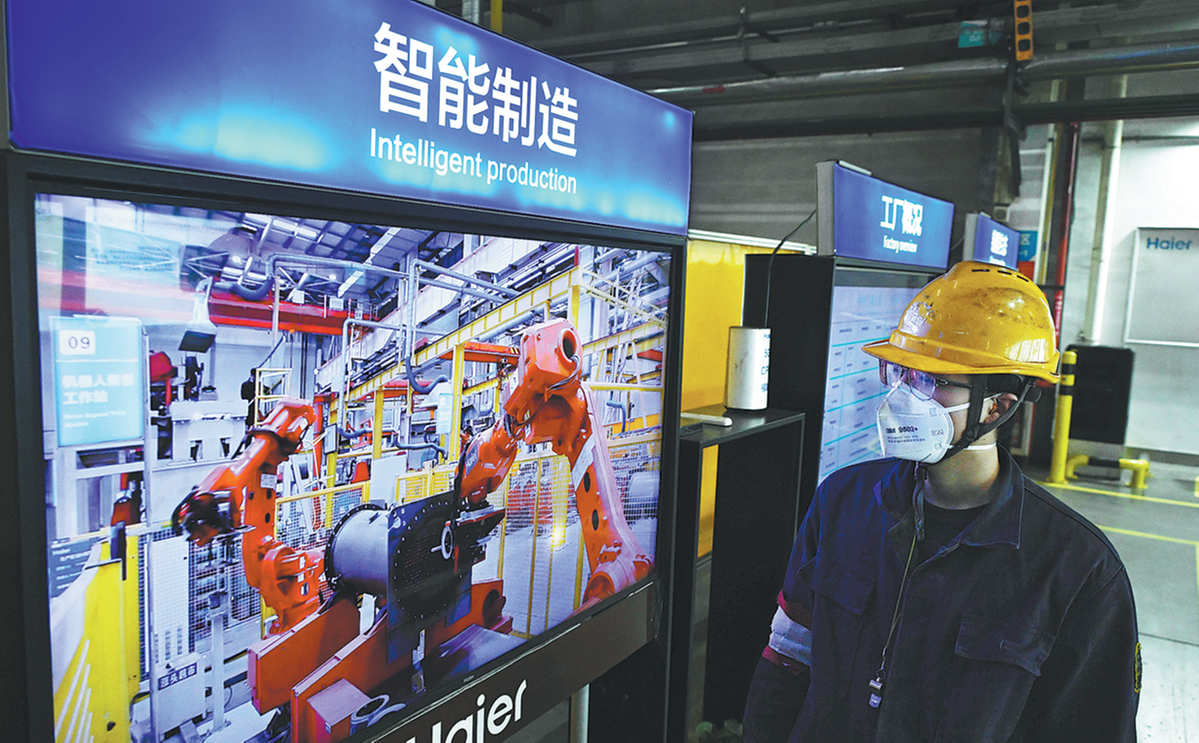
Running parallel to consumption is the aggressive push for new quality productive forces. This concept, now the intellectual backbone of China's economic ethos, focuses on achieving technological self-reliance and industrial modernization.
The conference reiterated the imperative of accelerating breakthroughs in core technologies, specifically artificial intelligence, quantum computing and high-end digital manufacturing. The goal is not merely to create new industries but to integrate these revolutionary technologies into traditional sectors, driving a green and digital transformation across the board. By securing a leading position in these frontier fields, China aims to insulate its development from external technological containment and move up the global value chain.
The 2026 agenda articulated a proactive commitment to establishing a "new model for real estate development". This approach mandates a permanent shift towards a model focused on quality and sustainability. The priority for 2026 is to stabilize the housing market, ensuring that the legitimate housing needs of the population are met through urban renewal and the renovation of existing stock, while rigorously managing the financial risks associated with the sector.
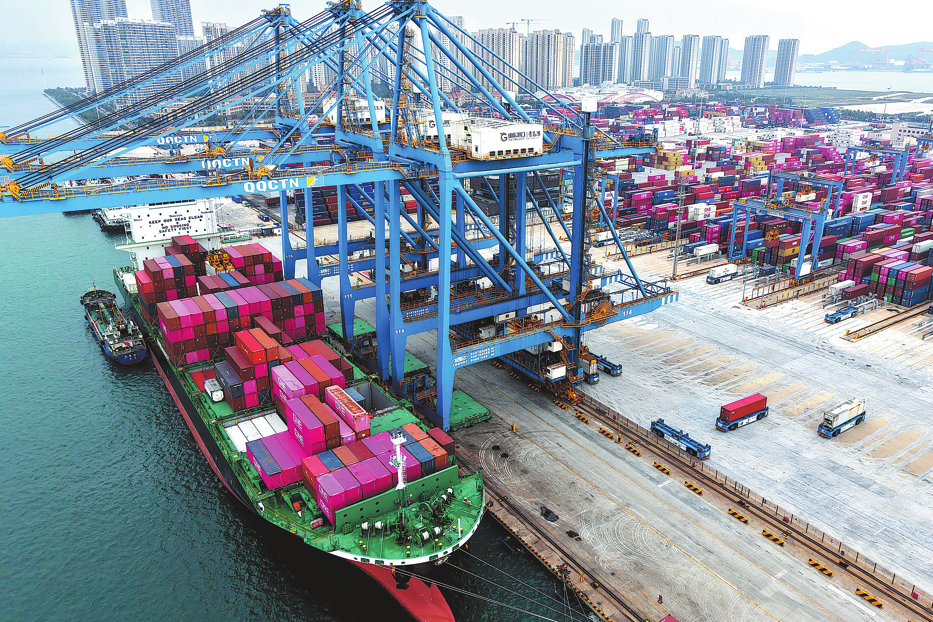
In addition, the conference sent a strong message regarding China's place in the global economy. Despite the rise of protectionism and geopolitical fragmentation, Beijing reaffirmed its unwavering dedication to high-standard opening-up. The leadership pledged to actively remove market access barriers in key service sectors, including telecommunications, healthcare and finance.
The economic roadmap is also structurally linked to China's major global initiatives, positioning the country as a responsible contributor to global solutions in areas such as climate change and digital governance.
Qaiser Nawab is chairman of the Belt and Road Initiative for Sustainable Development (BRISD), an international platform focused on fostering cooperation and innovation across Asia, Africa and Latin America.
The views don't necessarily reflect those of China Daily.
If you have a specific expertise, or would like to share your thought about our stories, then send us your writings at opinion@chinadaily.com.cn, and comment@chinadaily.com.cn.